Enhance Your Yard With Experienced Artificial Grass Installation
Changing a yard through qualified synthetic turf installation delivers numerous benefits. Homeowners can achieve a thriving, green landscape without the challenges of traditional lawn care. Professional installers emphasize meticulous preparation and top-quality materials, promising durability and appealing looks. Because property values are rising and upkeep expenses drop, many are considering this modern option. Nevertheless, before choosing, it is vital to explore the central benefits and considerations. What factors should one weigh in this transformation?
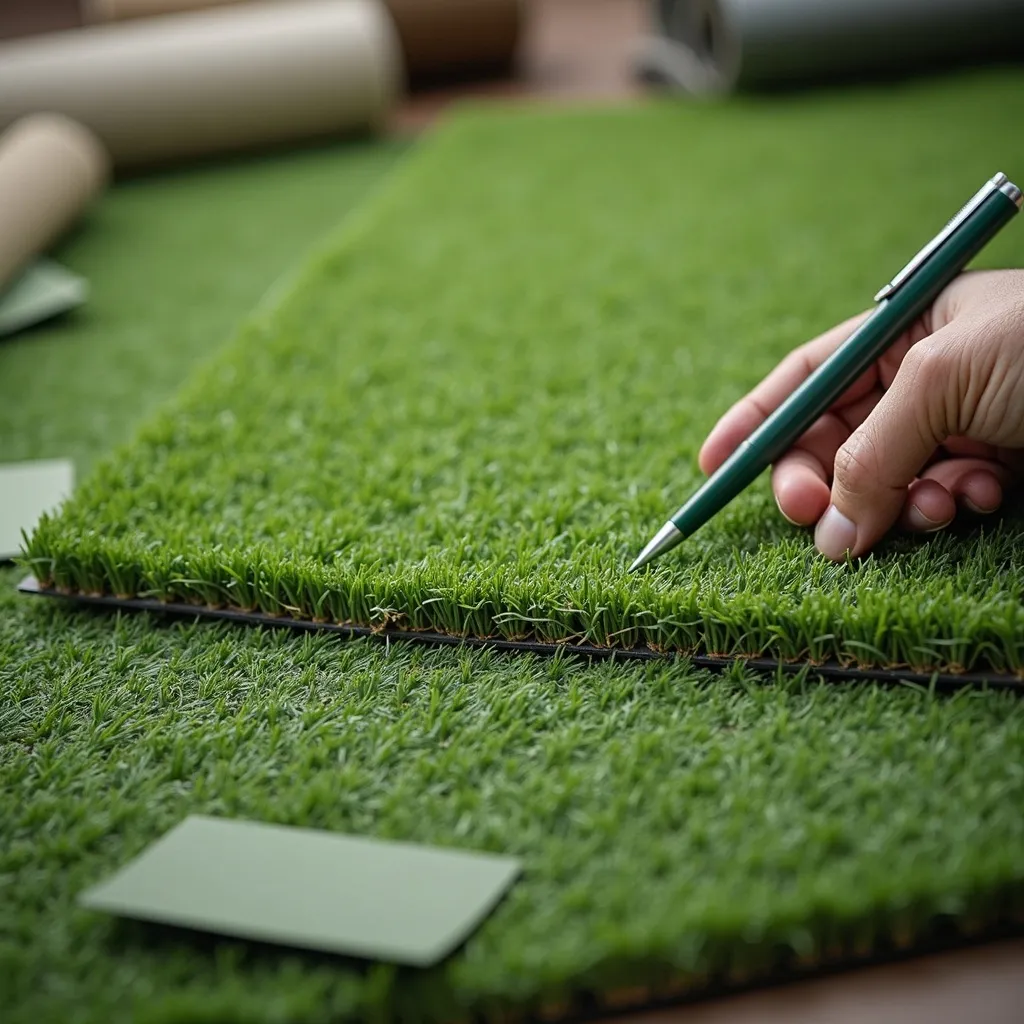
Why Select Synthetic Turf? Key Features Presented
Synthetic turf offers numerous advantages that make it an attractive choice for various applications. One important benefit is its minimal maintenance requirement. Unlike natural grass, synthetic turf does not need regular mowing, watering, or fertilization, which conserves time and resources. Additionally, it remains vibrant and green year-round, regardless of climate conditions, providing consistent aesthetics.
An additional benefit is longevity; synthetic turf can endure heavy foot traffic and adverse weather without deteriorating. This resilience makes it ideal for sports fields, playgrounds, and residential lawns. Moreover, synthetic turf is designed to be safe and non-toxic, minimizing the risk of allergens and pests.
Cost-effectiveness is also a key benefit, as it can lead to reduced water costs and reduced landscaping expenses over time. Overall, the blend of aesthetics, durability, safety, and financial benefits makes synthetic turf an growing preferred choice for homeowners and businesses alike.
Picking the Correct Type of Synthetic Grass
Choosing the right type of synthetic turf requires multiple important factors. Elements such as fiber length, wear resistance, and offered design and finish choices play an crucial part in ensuring the turf meets particular needs. Comprehending these elements helps in making an informed choice that matches usage requirements and aesthetic preferences.
Turf Pile Height Aspects
When selecting the proper type of synthetic turf, pile height holds an important role in both appearance and functionality. Pile height, which refers to the length of the grass blades, significantly affects the look and practicality of the turf. Shorter piles, generally around 1 to 1.5 inches, provide a well-kept look and are commonly chosen for busy areas, as they stand up well. On the other hand, taller piles, measuring from 2 to 2.5 inches, deliver a dense, natural appearance, ideal for residential lawns and recreational areas. However, taller turf may require more upkeep to keep it intact. Ultimately, selecting the best pile height involves balancing visual preferences with functional requirements to obtain the desired outcome for any outdoor space.
Component Resilience Factors
Durability stands as a critical factor in choosing the right type of synthetic turf. When assessing synthetic grass, one must evaluate the elements used in its production, as they directly affect longevity and performance. High-quality polyethylene fibers are often preferred for their tolerance of wear and fading, while nylon options deliver superior resilience under heavy foot traffic. Additionally, the turf's backing material assumes a significant role; a robust, UV-treated backing can reinforce stability and prevent deterioration over time. Understanding the infill options is also imperative, as certain materials can maximize cushioning and help maintain turf shape. Ultimately, selecting durable synthetic turf guarantees that the investment endures environmental challenges while offering lasting beauty and functionality.
Color and Texture Possibilities
While the aesthetic appeal of synthetic turf lies substantially in its hue and surface choices, picking the perfect blend can dramatically boost the overall landscape. Homeowners have a range of colors to consider, from vibrant greens to more natural, muted tones that imitate natural grass. Texture is also important; choices range from soft, plush surfaces well-suited for play areas to denser, more resilient varieties fit for heavily trafficked spots. The interaction of shade and surface can highlight focal points or blend smoothly with existing outdoor elements. Ultimately, selecting the right artificial turf not only enhances visual appeal but also addresses functional purposes, guaranteeing the yard is both practical and inviting for various activities.
Getting Your Yard Prepared for Artificial Turf Placement
Preparing a yard for synthetic turf installation entails several critical steps. First, analyzing the current landscape guarantees that the area is favorable for the new surface. Next, clearing away debris and obstacles, followed by straightening and grading the soil, creates an optimal foundation for the turf.
Evaluate Your Current Landscape
What steps can homeowners follow to ensure their yard is ready for synthetic turf installation? First, they should evaluate the existing soil conditions, making sure it is well-draining and free of contaminants. Homeowners need to identify any slopes or uneven areas that may require leveling to provide a solid foundation for the turf. Additionally, they should consider the sun exposure and existing vegetation, as these elements influence the installation process and turf performance. It is also crucial to assess any irrigation systems, as they might need modification or removal. By carefully reviewing these elements, homeowners can create an ideal environment for synthetic turf, ensuring a successful and long-lasting installation. Proper assessment sets the stage for a seamless transformation of the yard.
Remove debris and hindrances
To secure a trouble-free installation of synthetic turf, homeowners must first tidy their yard of debris and obstacles. This step is essential for achieving a level surface and maintaining proper water management. Homeowners should begin by removing any rocks, branches, or leaves that may interfere with the fitting process. Additionally, old outdoor furniture, toys, and landscaping features must be relocated to allow free access to the installation area. It is suggested to check for any underground utilities, as this can prevent potential disruptions. By completely emptying the space, homeowners form an optimal environment for synthetic turf installation, promoting a seamless process that enhances the overall aesthetic and performance of the yard.
Level and Grade Soil
Achieving a flat and leveled surface is critical for the successful installation of synthetic turf. Adequate ground preparation ensures ideal drainage and reduces the risk of irregular wear patterns. This process encompasses assessing the terrain layout, finding depressed sections, and tackling any high areas. Using a rake or grading equipment, the soil can be leveled and compressed, creating a standardized foundation. It is critical to extract any rocks, roots, or debris that could hinder the installation. Additionally, guaranteeing the slope directs water away from structures helps eliminate water buildup and extends longevity. Employing specialists in this step can enhance accuracy, leading to a impressive, effective outdoor space that addresses the visual and functional needs of homeowners.
In What Manner Does Professional Installation Strengthen Durability?
While many factors contribute to the durability of synthetic turf, professional installation plays an essential role in boosting its resilience. Expert installers assure that the turf is installed on a adequately prepared base, which includes consolidating the sub-base to prevent settling and uneven wear over time. This preparation minimizes the risk of shifting or wrinkling that can occur with poor installation.
In addition, professionals implement high-quality adhesives and stitching, which are indispensable for sustaining the integrity of the turf. Meticulous attention in cutting and fusing pieces prevents fraying and elevates the visual quality.
Additionally, a specialist recognizes the value of accurate infill placement, which strengthens the surface and provides strength. By adhering to industry standards and best practices, professional installers deliver a strong foundation that substantially lengthens the longevity of synthetic turf, ensuring it resists heavy foot traffic and changing weather conditions without deteriorating.
What to Anticipate During Setup?
Synthetic turf placement unfolds through a sequence of well-planned steps that ensure a seamless outcome. To begin, the area is sized and marked, guaranteeing accurate alignment and protection. Then, the current grass and refuse are removed, creating a clean base. The ground is subsequently leveled to promote proper water drainage, an important aspect in preventing water buildup.
Next, a weed suppression mat is laid to inhibit future growth, followed by the installation of a compacted foundational layer, generally composed of crushed stone or decomposed granite. This layer enhances structural support and resilience. Finally, the synthetic turf rolls are attentively deployed, verifying minimal seams and utmost aesthetic appeal.
The ultimate stages comprise securing the turf with stakes or sealant, followed by topping off with sand or rubber granules to maximize durability and mimic natural grass. This extensive process culminates in a elegant, maintenance-light lawn ready for immediate enjoyment.
Straightforward Care Strategies for Your Artificial Lawn
Keeping a fake lawn well-maintained is simple and requires little effort. Regular maintenance entails a few simple tasks to keep the turf looking spotless. Initially, occasional brushing with a stiff broom can lift the fibers and avoid matting, ensuring a natural appearance.
Next, yard waste including leaves or twigs should be taken away consistently, either by hand or using a mechanical blower, to stop buildup and potential discoloration. If pets are present, rapidly tidying up after pets is important, as it reduces smells and keeps things clean.
Additionally, cleaning the surface with water can assist in removing dust and irritants, making the lawn more enjoyable for everyone. For areas facing high foot traffic, periodic infill replenishment may be necessary to preserve stability and appearance. Following these simple strategies allows homeowners to maintain a vibrant, low-maintenance lawn year-round.
Analyzing the Financial Investment: Is Synthetic Turf A Good Choice?
How should one determine the value of synthetic turf compared to standard grass? Evaluating costs involves considering both initial installation and long-term maintenance. While the upfront expense of synthetic turf can be significant—ranging from $5 to $20 per square foot—its longevity often makes it a practical choice. Synthetic lawns can last 15 to 25 years without the need for scheduled mowing, watering, and fertilizing, substantially reducing ongoing upkeep costs.
Homeowners should evaluate the environmental impact. Synthetic turf reduces the application of pesticides and herbicides, fostering a more sustainable landscape. In addition, it maintains a uniform, green appearance year-round, which can raise property value.
Ultimately, the worth of synthetic turf depends on personal choices and situations. For those seeking low maintenance and aesthetic appeal, the investment may be justified, while traditional grass might still suit others' needs better.
Often Asked FAQs
Can Artificial Turf Be Put Over Already Present Grass?
Yes, artificial grass can be placed over existing grass, but proper preparation is essential. This requires making sure the grass is flattened and free of debris to establish a appropriate foundation for the new turf installation.
How long Does Synthetic Turf Generally Last?
Artificial turf commonly endures for 15 to 25 years, influenced by elements like quality, maintenance, and environmental conditions. Ongoing upkeep can extend its longevity, creating a robust option for varied landscaping needs.
Is Fake Turf Protected for Pets and Kids?
Synthetic turf is generally safe for pets and children, as it is designed to be non-toxic and devoid of harmful chemicals. Consistent upkeep ensures cleanliness, promoting a secure recreational space for both pets and kids.
Is It Possible to Recycle Synthetic Turf?
Yes, synthetic grass can be reused. Many manufacturers provide initiatives to recover old turf, enabling it to be processed into new products. This assists minimize waste and supports eco-friendly practices in landscaping solutions.
What Happens if It Rains Following Installation?
Following placement, synthetic turf generally removes water efficiently, stopping water from pooling. Nevertheless, it may demand examination basic care following rain, including debris removal and brushing, to guarantee maximum performance and visual appeal during wet conditions.